Paristokierrätys
YHTEYSTIEDOT
puhelin: +358 10 249 1717
faksi: +358 10 249 1719
sähköposti: info(a)recser.fi


POSTIOSOITE
Recser Oy
Teknobulevardi 3-5 G
01530 Vantaa

Katso kaikki yhteystiedot
  • fi
  • sv

The classification of batteries

Under legislation, batteries are divided into different categories based on their intended use and weight.

Slush 2017

December 1st

Helsinki, Finland

(C): Jussi Ratilainen
www.jussiratilainen.com

Classification in legislation

Batteries are divided in legislation into five categories according to their intended use and weight:

  1. Portable batteries 
  2. Industrial batteries 
  3. Battery for light means of transport (LMT battery) 
  4. Starting, lighting and ignition battery (SLI)
  5. Electric vehicle battery (EV)

Battery categories managed through Recser

Producer responsibility can be fulfilled through Recser for the following battery categories:

  1. Portable batteries
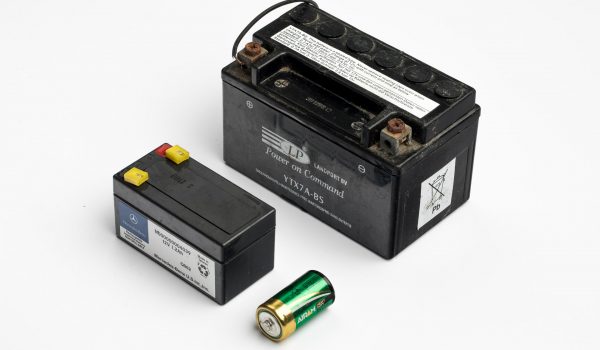
    A portable battery is a battery that is sealed, weighs no more than 5 kg, is not specifically designed for industrial use, and is not a traction battery for electric vehicles, a battery for light means of transport, or a vehicle battery. Examples of portable batteries include primary batteries (e.g. AA and AAA batteries) and batteries used in mobile phones, laptops, toys, cordless power tools, electric toothbrushes and shavers.
  2. Industrial batteries
    An industrial battery is a battery that is specifically designed for industrial use or that is intended for industrial use after being prepared for a change of use or after its use has been changed. Any battery weighing more than 5 kg that is not a traction battery for electric vehicles, a battery for light means of transport, or a vehicle battery is also considered an industrial battery.

    Recser has further divided industrial batteries into subcategories based on weight.

    1. Small industrial batteries (0–50 kg)
      A small industrial battery is a non-lead-based battery classified as an industrial battery that weighs between 0 and 50 kg. Examples of small industrial batteries include smaller battery energy storage systems and leisure batteries sold to consumers.
    2. Large industrial batteries (over 50 kg)
      A large industrial battery is a non-lead-based battery classified as an industrial battery that weighs more than 50 kg. Examples include forklift batteries, UPS backup power supplies, and larger household or industrial-scale energy storage systems.
  3. Battery for light means of transport (LMT battery)
    A battery for light means of transport is a sealed battery weighing no more than 25 kg that is specifically designed to supply electric energy for traction in wheeled vehicles. These vehicles may be powered solely by an electric motor or by a combination of an electric motor and human power. Batteries for light means of transport also include L-category type-approved vehicles as defined in Regulation (EU) No 168/2013 of the European Parliament and of the Council.

    A battery for light means of transport is not a traction battery for electric vehicles. Batteries for light means of transport are used, for example, in electric bicycles, electric scooters and self-balancing boards.

  4. Starting, lighting and ignition battery (SLI)
    SLI is a battery that is specifically designed to supply electric energy for the starting, lighting or ignition of a vehicle. SLI battery may also be used as an auxiliary or backup power source in vehicles, other means of transport or machinery. Examples of SLI include starter batteries for mopeds, motorcycles, quad bikes, scooters, cars and ride-on lawn mowers.

Battery types with separate producer responsibility organisations

  1. Lead-based automotive batteries
    Lead-based vehicle batteries are batteries used for starting, lighting and ignition in vehicles. Lead-based industrial batteries are used in, for example, telecommunications, UPS systems, alarm and security systems, power grids, railways, renewable energy, healthcare, materials handling and forklifts.The producer responsibility organisation Akkukierrätys Pb Oy manages the recycling of lead batteries on behalf of its members. Through an agency agreement between Recser and Akkukierrätys Pb, producer responsibility for lead-based vehicle and industrial batteries can be fulfilled via Recser.

    For the agency agreement, a power of attorney must be completed and signed. Recser forwards the fees and data relating to lead industrial batteries and lead vehicle batteries to Akkukierrätys Pb.

  2. Electric vehicle batteries (EV)
    Electric vehicle batteries refer to energy storage systems used to power electric or hybrid passenger cars, vans, trucks or buses. EV batteries also include auxiliary propulsion batteries, meaning batteries used to power auxiliary systems in electric or hybrid vehicles. Finnish Car Recycling Ltd is the producer responsibility organisation for traction batteries for electric vehicles.