


#GuestColumn: Transport electrification is accelerating – and so is the circular economy
The electrification of transport is rapidly increasing the number of batteries. At the same time, the need to recycle valuable materials efficiently and safely is growing. What kind of challenge does this pose for circular economy operators? Juha Kenraali, CEO of Finnish Car Recycling, explores the topic in this column.
Producer responsibility is not voluntary
In Finland, importers of batteries and vehicles have a clear responsibility for the waste management of their products when they reach the end of their lifecycle and are taken out of use by end users. This is known as producer responsibility, which most importers fulfil through producer organisations.
As transport electrification progresses, the volume of batteries covered by producer responsibility has grown and continues to grow at an accelerating pace. In practice, producer responsibility for vehicles and traction batteries is handled by the producer organisation Finnish Car Recycling.
Finnish Car Recycling ensures that, in addition to end-of-life vehicles, the reception, collection, and recycling of traction batteries are carried out appropriately and in compliance with legislation. It also reports lifecycle data related to traction batteries to the authorities.
To those unfamiliar with the system, it may appear complex or bureaucratic. However, this is not bureaucracy for its own sake, but a system designed to ensure that valuable materials are returned to circulation and that safety risks related to batteries are properly managed.
Work is carried out in close cooperation with recycling partners and other producer organisations. Collaboration with Akkukierrätys Pb Oy and Recser Oy reduces administrative burden and supports the development of expertise.
There are more batteries in cars than many realise
A car does not run on just one battery. Even a traditional combustion-engine car contains several batteries. The essential 12-volt lead battery starts the engine and powers the car’s electrical systems. A small coin battery in the key allows the doors to be opened from a distance, and for example, batteries in tyre pressure monitoring sensors ensure that the system can warn of uneven tyre pressure.
In addition, new cars are equipped with the mandatory eCall system, which requires its own backup battery so that a connection can be established in an emergency even if the car’s 12-volt system is not functioning.
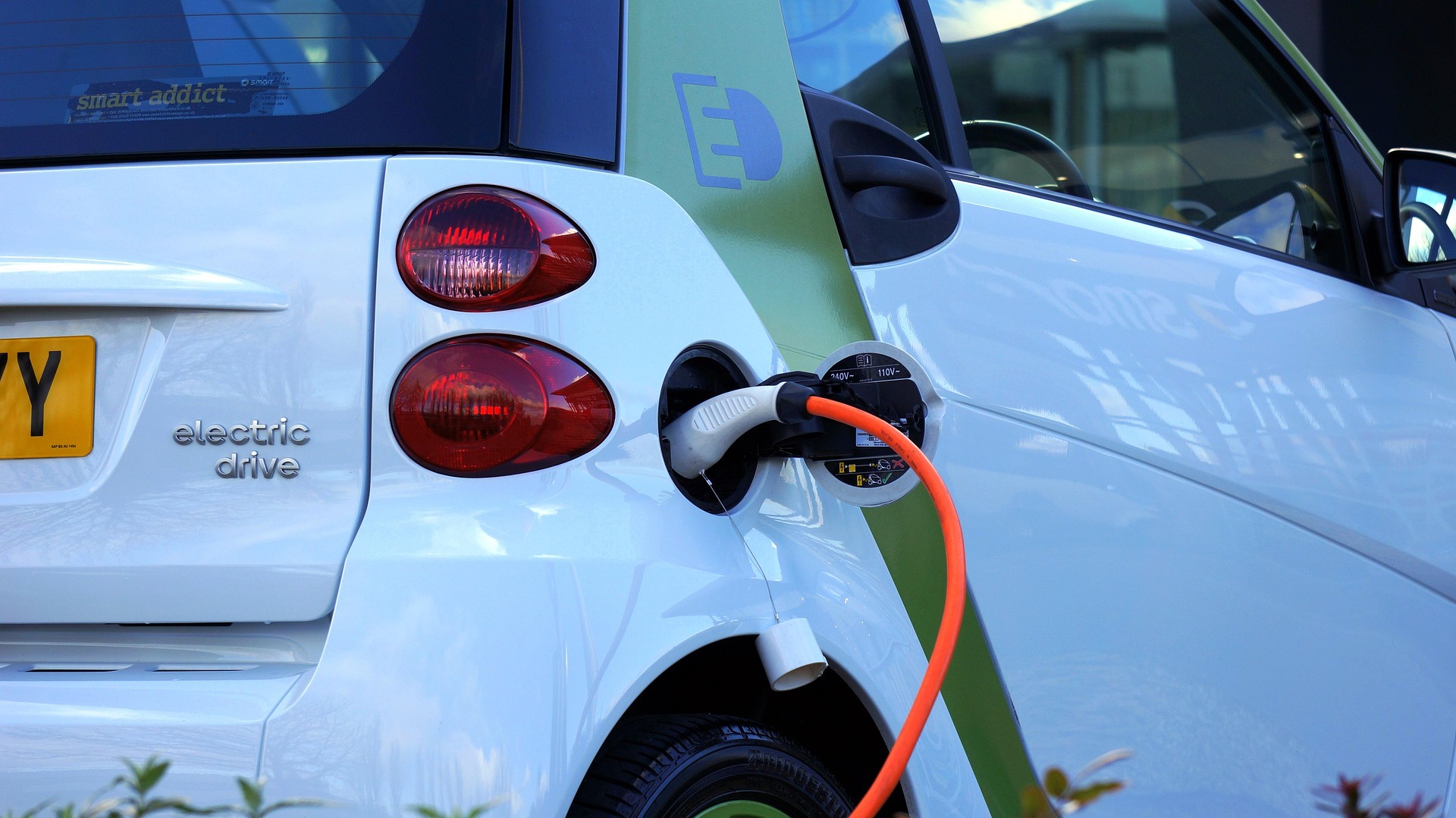
Traction batteries in electric vehicles are in a category of their own. Due to their size alone, they differ significantly from other batteries. An electric vehicle is essentially a mobile device powered by batteries and contains a wide variety of battery components. Each of these falls within the scope of producer responsibility.
A traction battery is not ordinary waste
The recycling of traction batteries involves logistics, chemistry, and risk management. A battery in a fully electric car weighs approximately 200–700 kilograms. At the same time, it represents a valuable reservoir of materials, including nickel, cobalt, lithium, and copper.
A traction battery is not entirely risk-free either. Especially if handled incorrectly, high-voltage batteries are associated with known fire risks, although they are safe for consumers under normal use.
Proper collection and recycling are the foundation of a functioning circular economy. When a traction battery is returned to a collection point, an authorised operator collects it and arranges transport to a recycling facility. The battery is packed in a purpose-designed transport container, and transportation is carried out in compliance with ADR regulations.
Dismantling and material recovery take place in facilities where materials are separated and returned to industrial use. The purpose of producer responsibility is to ensure that the entire chain operates safely and efficiently.
Data and digitalisation are part of the battery circular economy
Today, it is difficult to find a process that has not been at least partially digitalised. The DELV system maintained by Finnish Car Recycling connects battery flows and producer responsibility into a single digital view and ensures that every traction battery ends up in the correct treatment process.
The system generates data needed by authorities, producer organisations, importers, and recyclers. At the same time, DELV enables the transparency increasingly required by current and future EU regulation.
DELV is not just an information system – it is infrastructure that makes the circular economy of traction batteries verifiable and reliable.
Battery recycling is a competitive advantage of the future
The impacts of recycling traction batteries from electric vehicles extend much further than one might initially think. It is about technology, responsibility, the utilisation of data, and also profitable business.
Finland still has an opportunity to be a frontrunner in this field – as long as we maintain strong producer responsibility and systems that make the invisible visible.
Text: Juha Kenraali / Finnish Car Recycling Ltd
Finnish Car Recycling Ltd (Suomen Autokierrätys Oy) is a producer organisation for vehicles and traction batteries, responsible for implementing producer responsibility related to end-of-life vehicles and vehicle batteries in Finland. Finnish Car Recycling acts as the producer organisation for both end-of-life vehicles and traction batteries from electric vehicles. Its member companies include importers of passenger cars, vans, and motorhomes, as well as companies importing electric vehicles and their traction batteries.
Sorry, the comment form is closed at this time.